What can be observed
Date, lunar phase, weather, placement, mineral identity, care conditions, the words spoken or written, and the later action.
A record of the ceremonyVeil and Sage Field Notes · Ancient lore, clearly told
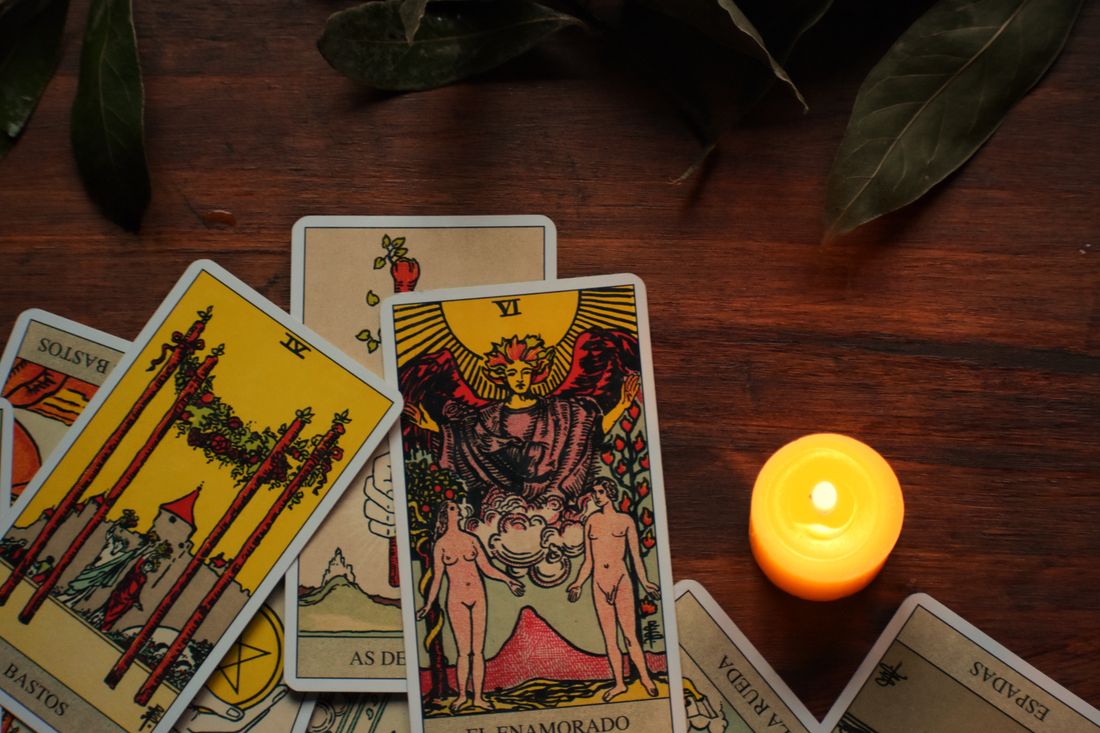
Lunar ritual · honest record · mineral-safe care
Moon-charging can be a beautiful ceremony of pause and intention. It is spiritual practice and story—not a scientific process known to recharge a mineral.
Read the field noteThe short answer
To moon charge a crystal, keep the stone in a safe, dry place, observe the lunar moment, name one intention, and decide on one matching action for the morning. Moonlight does not scientifically recharge or change the crystal. The ceremony gives your reflection a time, a setting, and a memorable object.
I · What moon-charging is
Moon-charging belongs to the language of ritual: pause, witness, intention, and return.
A mineral’s structure and measurable physical properties do not become spiritually “full” or “empty” on a schedule established by crystal lore. Moon-charging is not a known scientific charging mechanism and should not be sold as laboratory fact.
Its value can still be real in a human sense. Repeating a deliberate ceremony can help someone slow down, name a priority, remember a commitment, and connect that commitment to an object. The crystal becomes a cue; the moon provides rhythm; the person supplies meaning and action.
Date, lunar phase, weather, placement, mineral identity, care conditions, the words spoken or written, and the later action.
A record of the ceremonyEnergy language, intuition, emotional resonance, and spiritual meaning are subjective experiences and traditions—not guaranteed product performance.
Lore and reflectionII · A lunar vocabulary
These are common modern ritual associations, not rules written into the mineral or the sky.
| Phase | Traditional reflective theme | A grounded prompt |
|---|---|---|
| New moon | Beginnings, quiet, choosing a direction | Write one intention and the smallest first action |
| Waxing moon | Building, practice, patient momentum | Review what is growing and schedule the next repetition |
| Full moon | Visibility, culmination, gratitude | Name what has become clear and what needs honest attention |
| Waning moon | Release, editing, making room | Choose one habit, object, or obligation to set down |
| Dark-moon pause | Rest, uncertainty, listening | Do nothing to the stone; let the ritual be an interval |
If the meaning of the ritual is attention, there is no need to chase an unobstructed beam or expose a stone to bad weather. You can observe the phase from indoors, rest the crystal in a protected place, and complete the same reflection safely.
III · A four-part ritual
No smoke, water, salt, direct exposure, or all-night vigil is required.
Check the stone’s mineral family and condition. Choose a stable indoor surface or a covered, dry place away from morning sun and temperature swings.
Care comes before symbolismNote the date and phase. Look at the sky if you wish, but remember that direct moonlight is not required for a reflective practice.
A moment in the calendarWrite a sentence that describes your conduct: “I will pause before agreeing,” or “I will finish the first page before judging it.”
Concrete and recognizableRetrieve the stone before heat or direct sun reaches it. Read the sentence and complete one action that proves the intention has entered the day.
The morning completes the ritePersonal reflection
This is an optional educational guide. Veil and Sage does not offer a moon-charge program, a ritual schedule, or a ceremonial certification.
If you enjoy journaling, record what you noticed and one intention you want to act on. You can do this without buying a stone or placing one outdoors.
Questions from the cabinet
Moon charged usually means the stone was included in a spiritual or reflective ritual associated with moonlight or a lunar phase. It does not mean the mineral has been scientifically recharged or that its physical properties changed.
No. A windowsill, sheltered room, or simply observing the lunar phase can support the ceremony. Cloud cover and glass do not invalidate a reflective practice because the meaning comes from intention and attention, not a measurable dose of moonlight.
There is no required duration. A few quiet minutes can mark the ritual as effectively as an overnight rest. If you leave a stone overnight, place it somewhere dry, stable, secure, and protected from morning sun, weather, pets, and theft.
No phase is objectively best. Modern ritual traditions often associate the new moon with beginnings, the waxing moon with building, the full moon with visibility, and the waning moon with release. Choose the symbolism that fits your reflection.
No. Dew, rain, temperature swings, soil, salt air, and impact can damage vulnerable stones. Soft, porous, soluble, fractured, or jewelry-set pieces should remain indoors. A protected windowsill is often safer.
No moon-charge program or scheduled ritual service is offered. This guide describes an optional personal reflection. A mineral does not need a ceremony to be appreciated or cared for.